Understanding Slug and Snail Behavior
Slugs and snails are mollusks belonging to the class Gastropoda, and understanding their behavior is crucial when it comes to trapping them effectively. These creatures thrive in moist environments where they can easily find food, moisture, and optimal shelter.
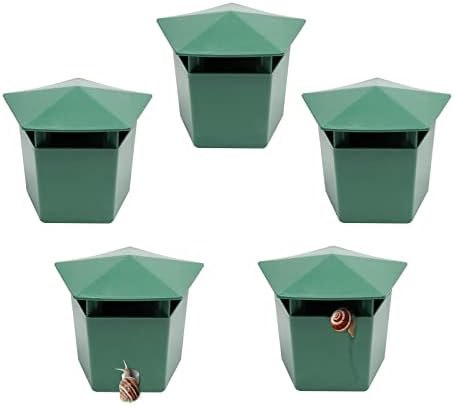


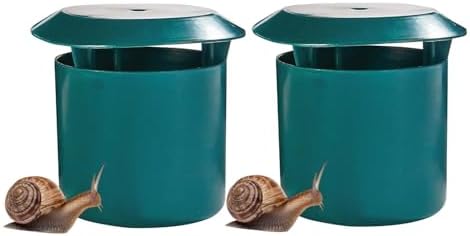
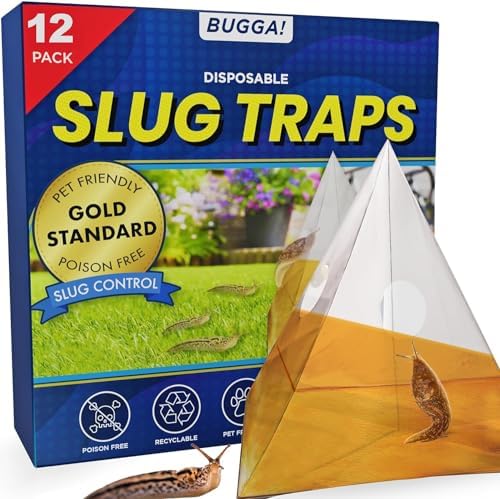
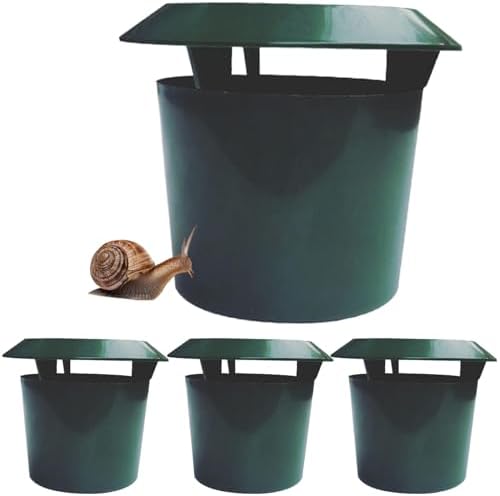

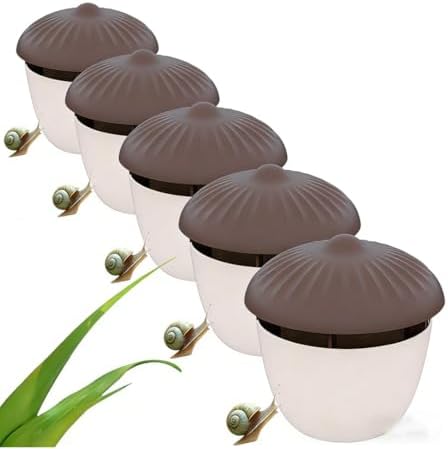
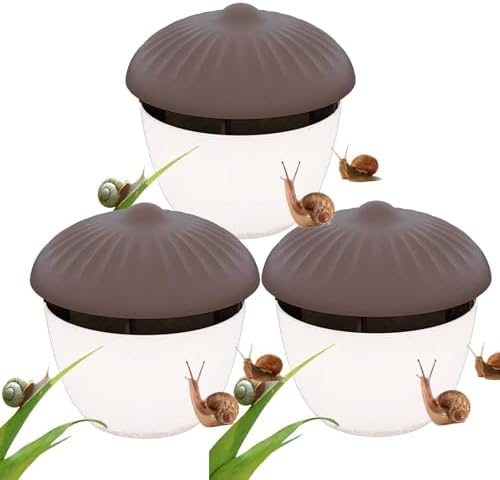
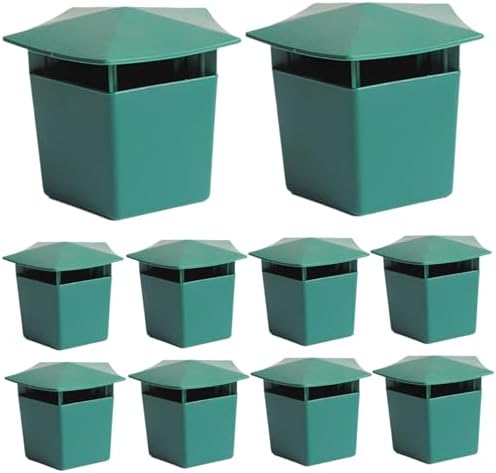
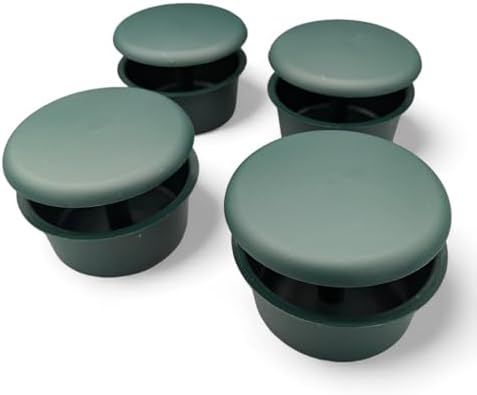
They are particularly active during the cooler hours of the day, typically early in the morning or late in the evening, which is essential knowledge for anyone looking to implement trapping strategies.
Feeding habits of slugs and snails are significant in understanding their attraction to certain plants. These gastropods primarily feed on soft-bodied plants, including vegetables and ornamental flowers. They have a specialized feeding structure known as a radula, which allows them to scrape or cut food before ingestion. This behavior often results in visible damage to garden flora, as their feeding can create irregular holes and scars. Moreover, slugs and snails are known to be more active during prolonged wet or rainy conditions, with increased movement towards areas that offer darkness and dampness. This preference indicates the need for strategic placement of traps in shaded, wet parts of gardens.
In addition to their feeding behaviors, their reproductive cycle influences their population dynamics. Slugs and snails can reproduce quickly, often laying several dozen eggs in a single batch. The eggs thrive in moist soil, making it vital to control both adult and juvenile populations to minimize their impact on gardens. Environmental factors also play a role; for instance, changes in temperature and humidity can drastically affect their activity levels. Understanding these factors can significantly enhance the effectiveness of slug and snail traps, as they allow for targeted trapping times and locations, ultimately contributing to better garden management and plant protection strategies.
Types of Slug Snail Traps Available
Slug and snail traps are essential tools for gardeners seeking effective pest management. The several types of traps on the market cater to different preferences and gardening situations. Here, we delve into some of the most common varieties, discussing their mechanisms, effectiveness, and their respective advantages and disadvantages.
One popular method is the beer trap. This simple design utilizes the attraction that slugs and snails have to fermentation. By burying a container filled with beer at ground level, pests are lured in and subsequently drown. Beer traps are often praised for their effectiveness and low cost; however, they require regular maintenance to replenish the beer and can occasionally attract unwanted insects.
Another option is the baited trap, which employs commercial baits containing attractants and poison. These traps can be effective in reducing the slug population, but a concern is the potential harm they pose to non-target species and the environment. Proper placement is crucial to maximize their effectiveness while minimizing adverse effects.
For those seeking technology-driven solutions, electric traps present a modern alternative. These traps deliver a lethal shock to slugs when they enter the device. Electric traps can be highly effective and require less maintenance than traps relying on bait or attraction. However, initial costs may be higher, and they require a power source.
Lastly, DIY traps offer a creative and cost-effective solution. Gardeners can easily create traps from everyday household items, such as plastic containers or bottles. Although DIY traps may not boast the same effectiveness as commercial options, they provide flexibility and customization according to specific garden conditions.
In conclusion, the choice of a slug or snail trap largely depends on individual preferences and garden needs. Each type has unique attributes that cater to different environments and pest control requirements, empowering gardeners to select the most suitable trap for their specific situation.
Factors to Consider When Choosing Snail Traps
When searching for the most effective slug snail traps, several factors must be taken into account to ensure optimal results. Understanding these aspects can significantly influence the effectiveness of the traps in your garden.
Firstly, assess the location where the traps will be placed. Slugs and snails are often found in moist, shaded areas, so positioning traps in these zones can enhance their effectiveness. Consider potential access points, such as garden borders or close to susceptible plants, which often attract these pests.
Secondly, it’s crucial to evaluate the type of garden or plants you are protecting. Different species may be more susceptible to slug damage, and certain traps might be more suitable depending on the specific plants you are trying to safeguard. For instance, fragile seedlings may require a more gentle and protective method as opposed to hardier plants that can withstand various pest control measures.
The prevailing weather conditions also play a significant role in trap performance. For example, excessive rain may wash away bait, while dry conditions may deter slugs from approaching traps. Depending on your region, select traps that can withstand local weather while still being functional and appealing to these pests.
Additionally, consider the scale of your slug problem. If the infestation is minor, simple traps may suffice. On the other hand, large infestations may necessitate more comprehensive solutions, possibly incorporating multiple traps to cover wider areas.
Lastly, the importance of eco-friendliness should not be overlooked. Opting for traps that are safe for children and pets will provide peace of mind while also protecting the environment. Many modern traps are designed to be both effective and safe, allowing for responsible pest control without compromising safety.
Setting Up and Maintaining Your Slug and Snail Traps
Effectively setting up and maintaining your slug and snail traps is integral to ensuring that they function optimally in your pest control efforts. The first step is to select the right location for your traps. Place them in areas where slugs and snails are most active, typically near garden beds, moist environments, or pathways. It is beneficial to position traps in shaded areas, as slugs and snails prefer cooler conditions. Avoid direct sunlight, which may deter them from approaching.
Regularly checking the traps is crucial for maintaining their effectiveness. A weekly inspection is recommended to remove any trapped pests and replenish bait. If you notice a decline in the number of slugs and snails caught, it may be time to either adjust the bait or relocate the traps. Additionally, different seasons may call for varied strategies; for example, during wetter months, slugs might be more active and thus require more frequent attention.
Cleaning the traps is another vital aspect of maintenance. Residue from bait can accumulate over time, reducing the trap’s appeal to slugs and snails. Use mild soap and water to clean the traps, ensuring that they remain attractive to pests. It is also advisable to refresh the bait regularly, replacing it with fresh options every few days, especially if it starts to lose its potency.
Troubleshooting common issues is part of the process too. If your traps seem less effective, consider whether they are placed optimally or if the bait needs changing. If you are using home-made solutions, ensure that the ingredients are still appealing to the slugs and snails. Implementing these strategies will not only enhance the effectiveness of your slug and snail traps but also contribute significantly to your overall pest management initiatives.